

PCOS Weight Loss: Why It Feels So Hard and How to Fix It Naturally
If you have PCOS and feel like weight loss is an uphill battle, you’re not imagining it. You eat less, you try workouts, you follow diets that worked for others—yet the scale barely moves. And when it does, the weight comes back quickly.
This is one of the most frustrating parts of living with PCOS.
The truth is simple but rarely explained: PCOS weight gain is not about laziness or lack of discipline. It’s about hormones and metabolism.
Once you understand why weight loss works differently with PCOS, you can stop blaming yourself and start seeing real, sustainable results.
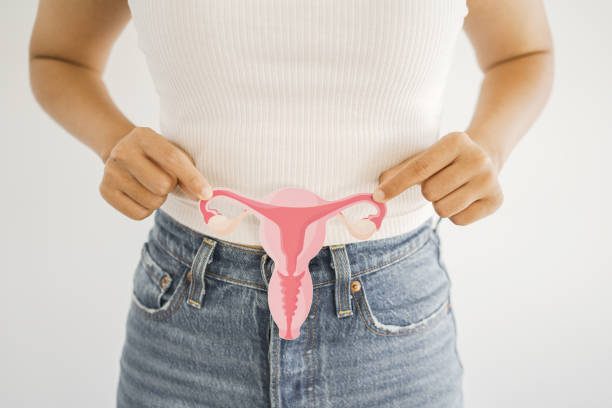
Why Weight Gain Is Common in PCOS
PCOS (Polycystic Ovary Syndrome) is not just a reproductive condition. It’s a metabolic and hormonal disorder, and weight gain is often a symptom—not the cause.
Most women with PCOS experience:
- Insulin resistance
- High androgen (male hormone) levels
- Chronic inflammation
- Hormonal imbalances affecting appetite and fat storage
These factors make the body store fat more easily, especially around the abdomen.
That’s why PCOS weight gain often appears suddenly and feels stubborn.

The Real Problem: Insulin Resistance
Insulin is a hormone that helps move sugar from your blood into your cells. When your cells don’t respond well to insulin, your body produces more of it. High insulin levels signal your body to store fat and block fat burning.
For women with PCOS, this creates a vicious cycle:
- High insulin → increased fat storage
- Fat tissue → worsens hormonal imbalance
- Hormonal imbalance → more insulin resistance
This is why “eat less, move more” often fails for PCOS
Why Calorie Counting Doesn’t Work for PCOS
Many women with PCOS try extreme calorie restriction. It backfires.
Here’s why:
- Eating too little increases cortisol (stress hormone)
- High cortisol worsens insulin resistance
- Metabolism slows down to conserve energy
Instead of losing fat, the body holds onto it.
PCOS weight loss is not about eating less—it’s about eating right for your hormones

How to Lose Weight with PCOS the Right Way
Sustainable PCOS weight loss focuses on improving insulin sensitivity, reducing inflammation, and supporting hormonal balance.
1. Balance Your Blood Sugar at Every Meal
This is non-negotiable for PCOS.
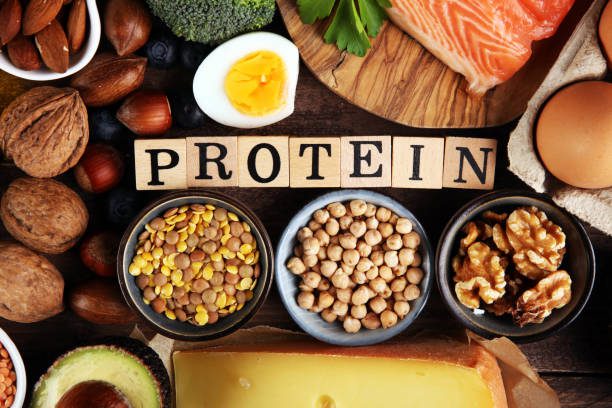
Each meal should include:
- Protein (eggs, paneer, lentils, tofu, fish)
- Fiber (vegetables, seeds, fruits in moderation)
- Healthy fats (nuts, seeds, ghee, olive oil)
Avoid meals that are only carbs, like toast, biscuits, or sugary snacks. These spike insulin and trigger fat storage.
Balanced meals keep insulin stable and stable insulin allows fat loss.
2. Choose Strength Training Over Excess Cardio
Too much cardio can increase stress hormones in women with PCOS.
Strength training helps by:
- Increasing muscle mass
- Improving insulin sensitivity
- Boosting metabolism
You don’t need heavy weights. Even bodyweight exercises 3–4 times a week can make a difference.
Walking, yoga, and light movement support fat loss without stressing the body.

3. Reduce Inflammation Through Food
Chronic inflammation is common in PCOS and makes weight loss harder.
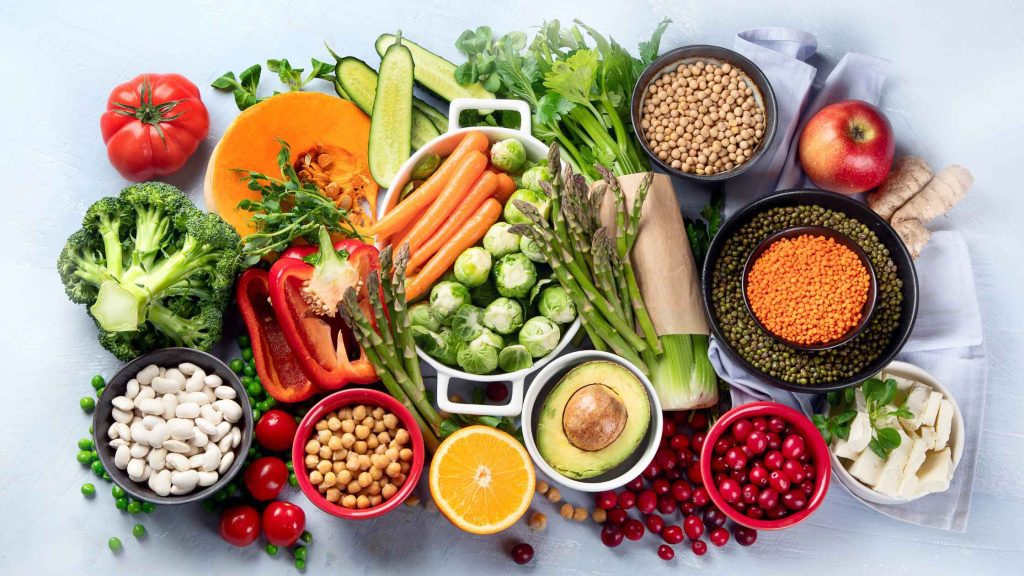
Include anti-inflammatory foods like:
- Turmeric
- Ginger
- Leafy greens
- Berries
- Omega-3-rich foods (flaxseeds, walnuts)
Limit inflammatory triggers such as:
- Refined sugar
- Packaged foods
- Excess dairy (for some women)
- Fried foods
Less inflammation = better hormone response.
4. Sleep Is a Weight Loss Tool
Poor sleep increases insulin resistance and hunger hormones.
Women with PCOS should aim for:
- 7–8 hours of sleep
- Fixed sleep and wake times
- Reduced screen exposure at night
Good sleep improves metabolism more than any supplement.

Why Stress Management Is Critical for PCOS Weight Loss
Stress raises cortisol. Cortisol increases belly fat storage.
Even with a perfect diet, unmanaged stress can stall progress.
Simple habits help:
- Daily walks in sunlight
- Deep breathing
- Journaling
- Gentle yoga
Lower stress levels allow hormones to reset and fat loss to begin.

How Long Does PCOS Weight Loss Take?
This is where expectations matter.
PCOS weight loss is slower but it’s sustainable when done right.
Most women notice:
- Reduced bloating in 2–3 weeks
- Better energy and cravings in 4 weeks
- Visible fat loss in 8–12 weeks
Consistency beats perfection.
Can Weight Loss Improve PCOS Symptoms?
Yes, and this is powerful.
Even a 5–10% reduction in body weight can:
- Improve insulin sensitivity
- Regulate menstrual cycles
- Reduce acne and hair fall
- Improve ovulation and fertility
Weight loss is not the goal. It’s a side effect of hormonal healing.

PCOS Weight Loss Is About Working With Your Body
The biggest mistake women make is fighting their bodies instead of supporting them.
PCOS doesn’t need punishment.
It needs understanding.
When you eat to balance hormones, move to support metabolism, sleep to restore energy, and manage stress, you create an environment where weight loss becomes natural.

Final Thoughts
PCOS weight loss is not impossible. It’s just different.
Once you stop chasing quick fixes and start focusing on insulin balance, inflammation control, and lifestyle consistency, results follow.
At SheThrivesOfficial, we believe weight loss should feel empowering—not exhausting. Your body is not broken. It’s asking for the right support.
Start today. One habit at a time.
Latest Posts
- PCOS Weight Loss: Why It Feels So Hard and How to Fix It Naturally

- PCOS and Mental Health: The Emotional Side of Hormonal Imbalance
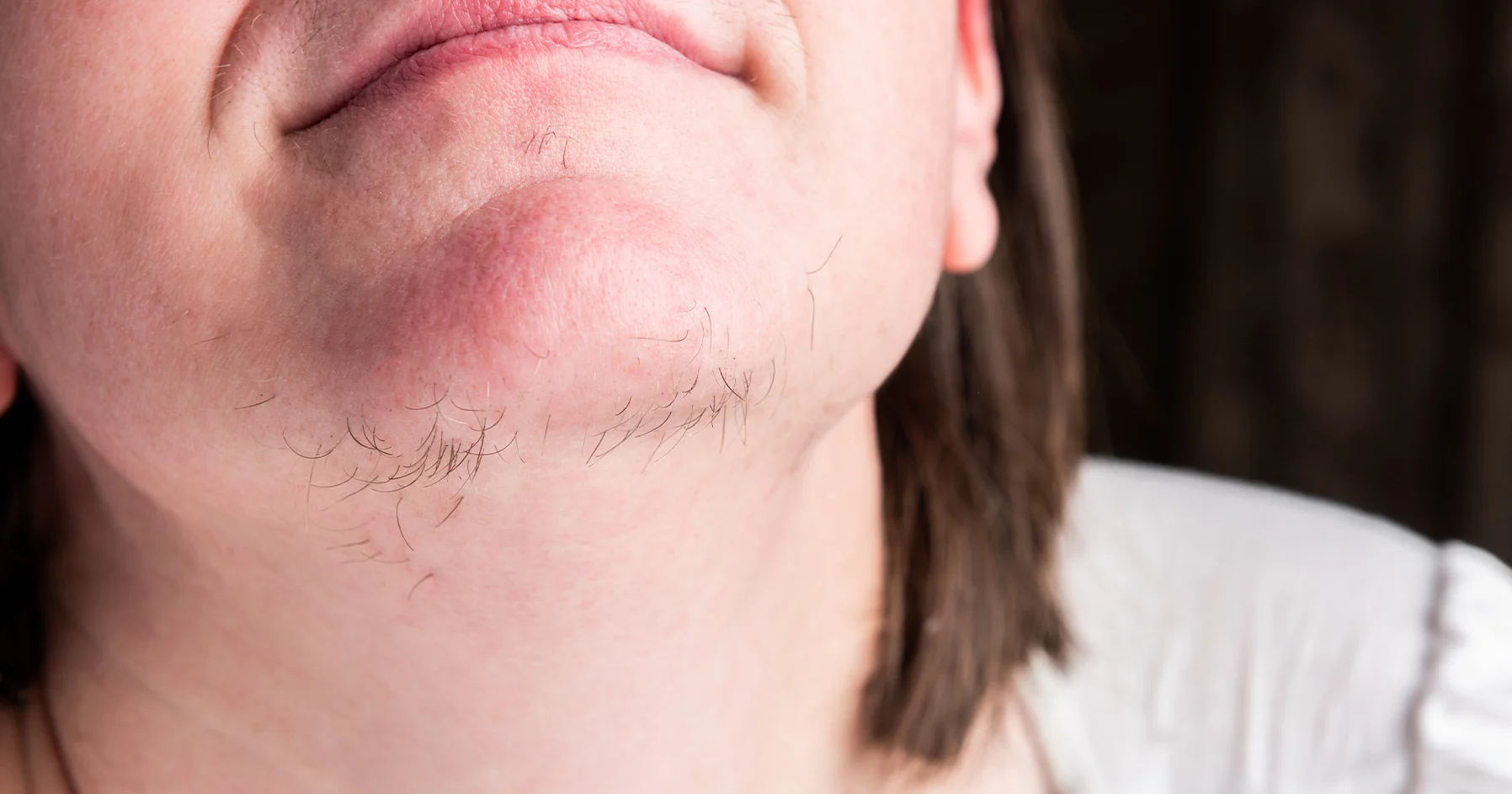
- Facial Hair in PCOS (Hirsutism): Causes, Myths & Natural Management
- Thyroid & Women’s Hormones: The Missing Link No One Talks About
- Birth Control & Hormones: What Happens After You Stop the Pill?


Leave a Reply