

Hormonal Acne: What It Is, Why It Happens & How to Heal It Naturally
Hormonal acne is a common concern among women and often continues beyond teenage years. It usually appears during specific phases of life such as irregular periods, PCOS/PCOD, pregnancy, stress, or weight fluctuations. Unlike regular acne, hormonal acne is linked to internal imbalances and requires a holistic approach rather than only topical treatments.
What Is Hormonal Acne?
Hormonal acne occurs due to fluctuations in hormones such as androgens, estrogen, progesterone, and insulin. These hormonal changes increase oil production, clog pores, and trigger inflammation, leading to persistent breakouts. It often appears cyclically, worsening before periods or during times of stress.
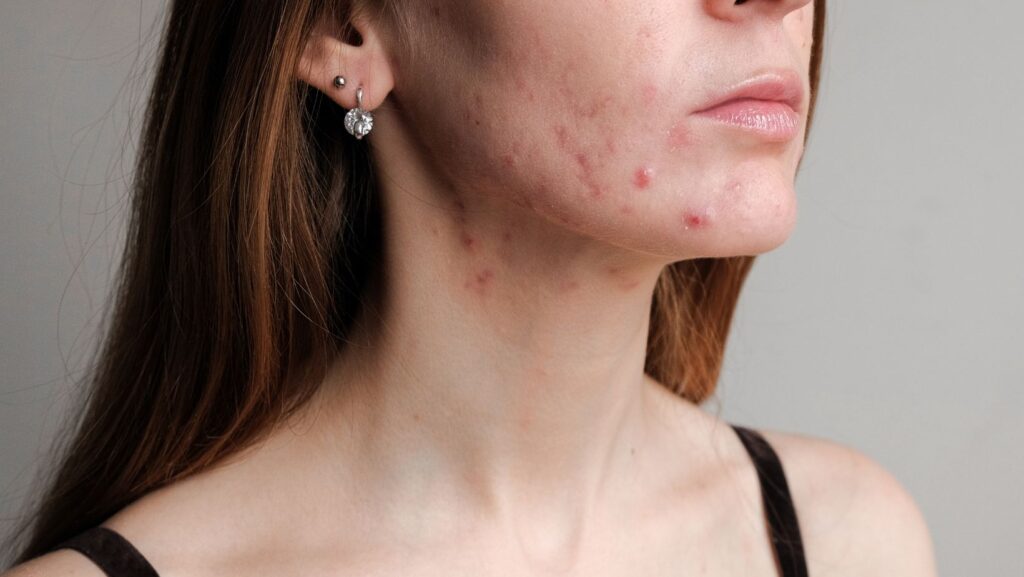
Why & How Hormonal Acne Develops
. Increased Androgens
High levels of androgens stimulate excess sebum production, clogging pores and creating an environment for acne-causing bacteria. This is common in PCOS.
2. Estrogen–Progesterone Imbalance
Low progesterone or estrogen dominance can slow skin repair and increase inflammation, making acne more severe and long-lasting.
3. Insulin Resistance
Elevated insulin levels trigger androgen production, linking hormonal acne with weight gain and irregular cycles.
4. Poor Detoxification
When the liver and gut cannot efficiently eliminate excess hormones, they recirculate in the body and often show up as acne.
5. Chronic Stress
High cortisol disrupts hormonal balance and increases inflammation, worsening breakouts.
How to Identify Hormonal Acne
You may be experiencing hormonal acne if you notice:
- Breakouts mainly on the chin, jawline, cheeks, or neck
- Acne flares before periods
- Deep, painful, cystic pimples
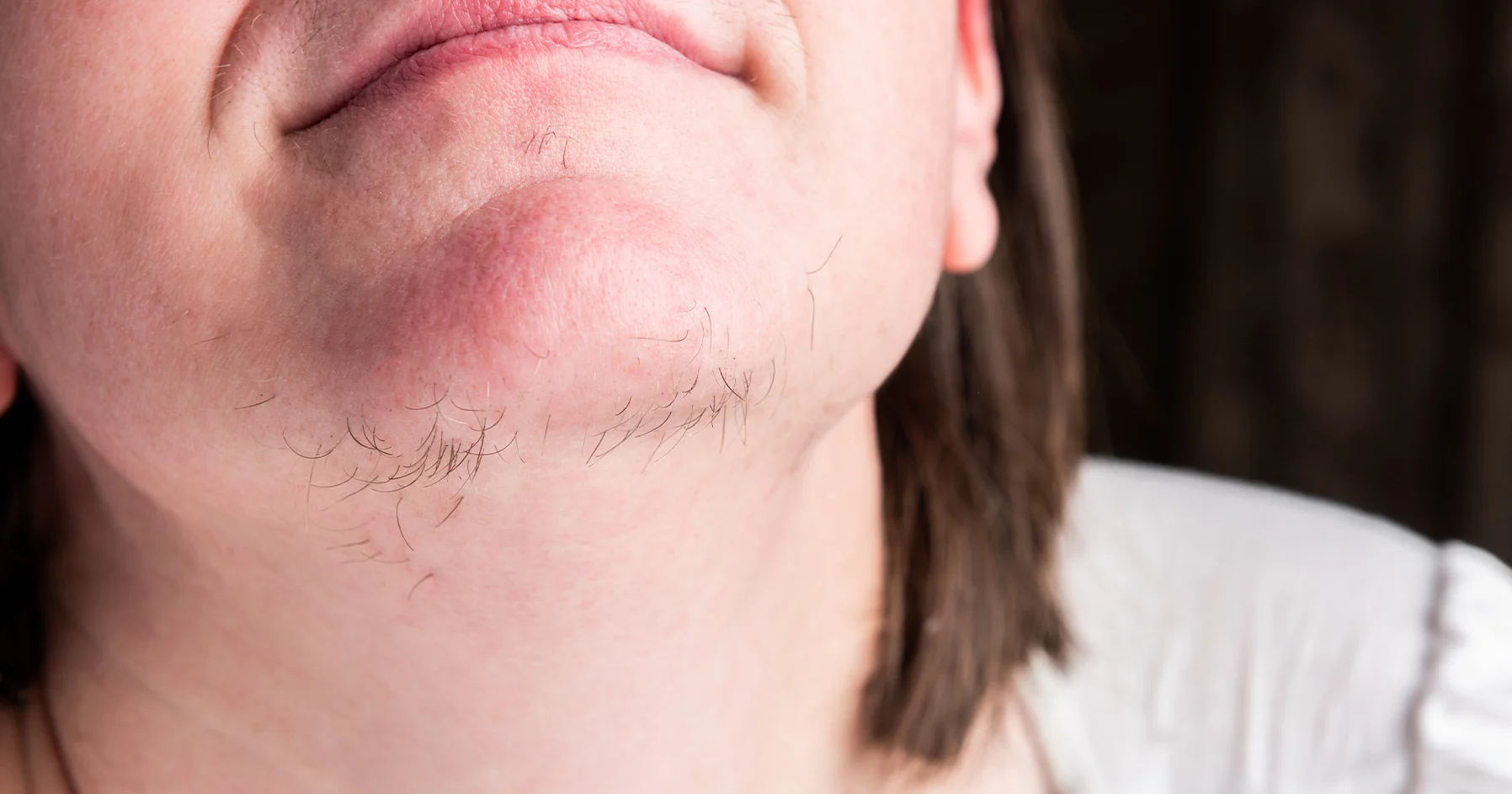
- Acne accompanied by irregular cycles, hair fall, facial hair, or weight gain
- Minimal improvement with skincare alone
How to Get Rid of Hormonal Acne Naturally
Hormonal acne requires internal healing through nutrition, lifestyle changes, proper hygiene, and mental well-being.
Diet & Nutrition for Hormonal Acne
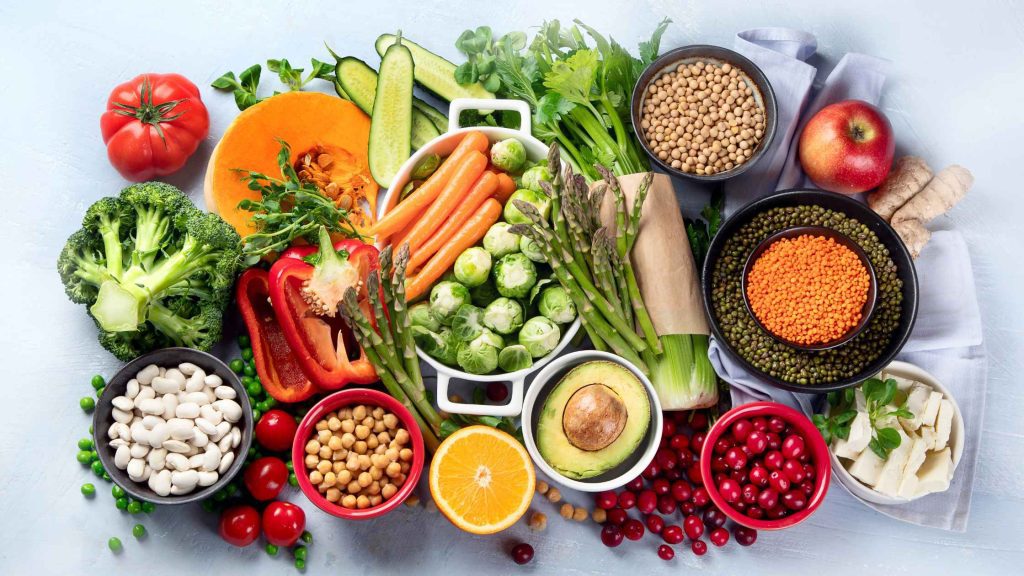
1. Stabilize Blood Sugar
Unstable blood sugar increases insulin and androgen levels.
Include:
- Whole grains
- Vegetables
- Lentils and legumes
- Healthy fats
- Adequate protein
Limit:
- Refined sugar
- White flour products
- Sugary beverages
2. Support Hormone Detox
Efficient liver and gut function help clear excess hormones.
Add:
- Leafy greens
- Cruciferous vegetables
- High-fiber foods
- Plenty of water
3. Reduce Inflammation
Inflammation worsens hormonal acne.
Consume:
- Omega-3 rich foods (flaxseeds, walnuts)
- Turmeric and ginger
- Berries
- Olive oil
4. Skin-Supporting Nutrients
- Zinc: helps regulate oil production
- Vitamin A: supports skin renewal
- Omega-3 fats: reduce inflammation
- Probiotics: improve gut-skin balance
Lifestyle Changes That Support Clear Skin
1. Prioritize Sleep
Aim for 7–8 hours of quality sleep daily to regulate cortisol and insulin levels.
2. Manage Stress
Practices such as yoga, meditation, journaling, or walking help reduce stress-induced hormonal fluctuations.
3. Exercise Regularly
Moderate exercise improves insulin sensitivity and hormone balance. Strength training, yoga, and walking work best.
Hygiene & Skincare Habits
- Cleanse the face gently twice a day
- Avoid touching or picking pimples
- Change pillowcases and towels regularly
- Use non-comedogenic, fragrance-free products
- Keep skincare minimal and consistent
Mindset Reframe: Healing Takes Time
Hormonal acne reflects internal imbalance and cannot be fixed overnight. Progress comes from consistency, patience, and long-term lifestyle changes. Focus on healing your body rather than masking symptoms.
Final Note
Hormonal acne is a message from your body, not a flaw. With the right nutrition, habits, and care, skin can heal naturally from within.
For personalized guidance and a better step towards hormonal health, connect with SheThrivesOfficial.
Latest Posts
- PCOS Weight Loss: Why It Feels So Hard and How to Fix It Naturally

- PCOS and Mental Health: The Emotional Side of Hormonal Imbalance
- Facial Hair in PCOS (Hirsutism): Causes, Myths & Natural Management
- Thyroid & Women’s Hormones: The Missing Link No One Talks About
- Birth Control & Hormones: What Happens After You Stop the Pill?

Leave a Reply