

Facial Hair in PCOS (Hirsutism): Causes, Myths & Natural Management
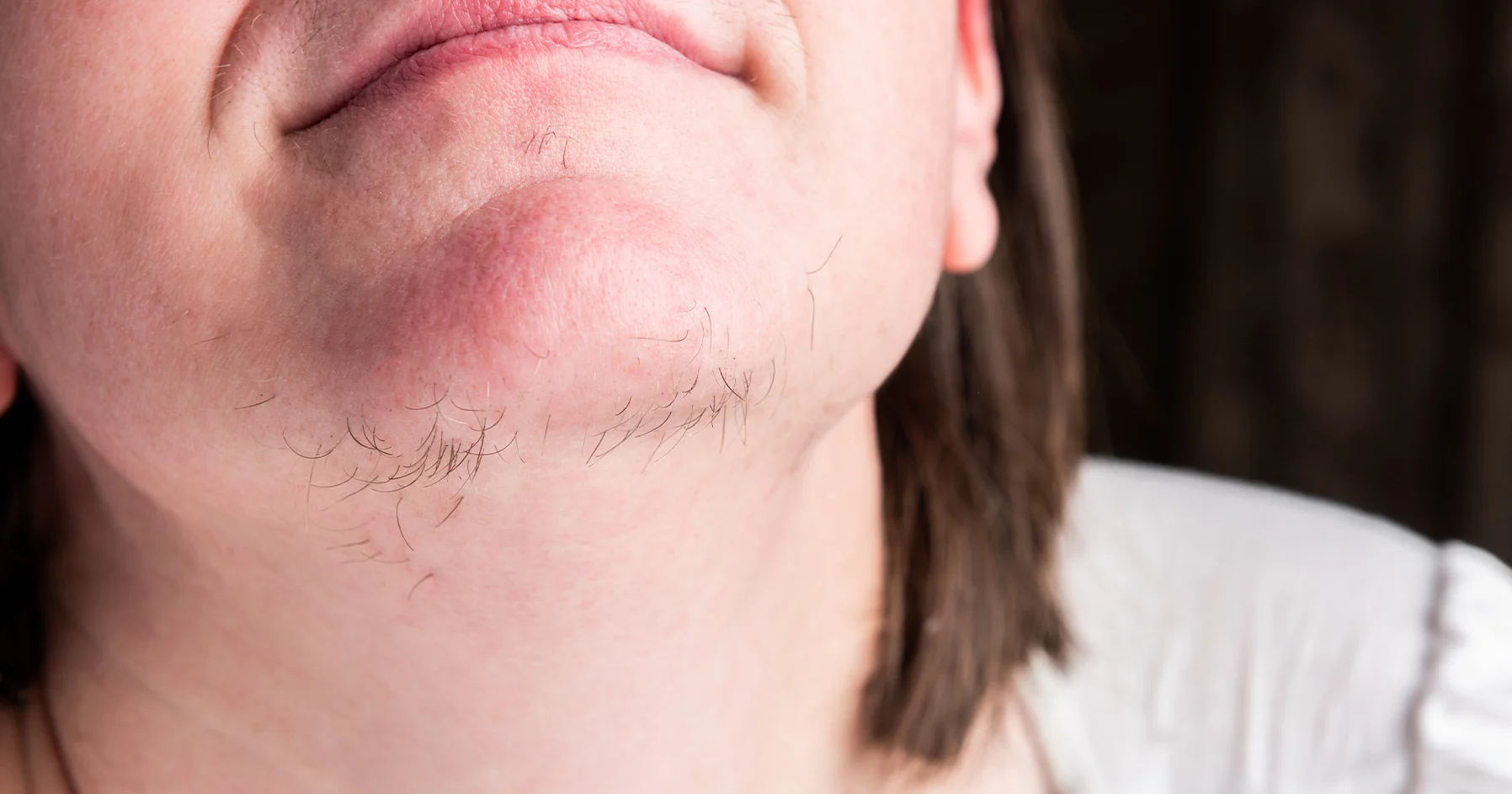
Facial hair growth in women—especially on the chin, upper lip, or jawline—can be emotionally distressing. For many women with Polycystic Ovary Syndrome (PCOS), this is not just a cosmetic concern but a visible sign of underlying hormonal imbalance. This condition, known as hirsutism, affects self-confidence and quality of life, yet is often misunderstood or brushed aside.
In this blog, we’ll explain why facial hair occurs in PCOS, how hormones and insulin play a role, common myths, and practical ways to manage it naturally while addressing the root cause.
What Is Hirsutism?
Hirsutism refers to excess, coarse hair growth in women in areas typically associated with male-pattern hair growth, such as:
- Upper lip
- Chin
- Jawline
- Sideburns
This hair is usually darker and thicker than normal facial hair and tends to appear gradually over time.
Why Does Facial Hair Occur in PCOS?
Facial hair in PCOS is primarily driven by hormonal imbalance, especially excess androgen activity.
1. Excess Androgens
Women with PCOS often produce higher levels of androgens (male-type hormones like testosterone). These hormones stimulate hair follicles in specific areas of the face, leading to thicker, darker hair growth.
2. Insulin Resistance
Insulin resistance is a key root cause in PCOS. High insulin levels stimulate the ovaries to produce more androgens and reduce the hormone-binding proteins in the blood, increasing active testosterone. This directly worsens facial hair growth.
3. Hair Follicle Sensitivity
Some women are genetically more sensitive to androgens. Even mildly elevated hormone levels can trigger noticeable hair growth.
Common Facial Hair Patterns in PCOS
Women with PCOS often notice:
- Coarse chin hair
- Upper lip hair
- Jawline and neck hair
- Sideburn-like growth
Hair growth may increase slowly and become more noticeable over months or years.
Myths About Facial Hair in PCOS
❌ “Facial hair is just genetic”
Genetics play a role, but hormonal imbalance is the main trigger in PCOS-related hirsutism.
❌ “Only overweight women get facial hair”
Facial hair can occur in women of any body type if insulin and androgen levels are imbalanced.
❌ “Hair removal fixes the problem”
Hair removal addresses appearance, not the root hormonal cause.
How to Know If Facial Hair Is Hormonal
Facial hair is likely hormone-related if:
- It is coarse and dark
- Appears in male-pattern areas
- Is accompanied by acne, irregular periods, or weight issues
- Gradually worsens over time
In such cases, addressing hormones is essential.
Nutrition to Support Hormonal Balance
Diet plays a powerful role in managing facial hair by improving insulin sensitivity.
Focus on:
- High-fiber foods (vegetables, fruits, whole grains)
- Protein at every meal (eggs, lentils, paneer, tofu)
- Healthy fats (nuts, seeds, olive oil, ghee)
- Balanced meals to prevent blood sugar spikes
Limit:
- Refined sugar and flour
- Packaged and ultra-processed foods
- Sugary drinks and excess desserts
Stable blood sugar helps reduce androgen production.
Lifestyle Habits That Help Reduce Facial Hair
1. Improve Insulin Sensitivity
- Eat meals at regular intervals
- Avoid long fasting without guidance
- Include strength training and walking
2. Manage Stress
Chronic stress raises cortisol, which worsens insulin resistance and hormonal imbalance.
Helpful practices include:
- Meditation
- Breathing exercises
- Adequate rest
3. Exercise Smartly
Choose:
- Strength training
- Brisk walking
- Yoga or Pilates
Avoid excessive high-intensity workouts that increase stress hormones.
Supplements (With Professional Guidance)
Some women benefit from targeted supplementation such as:
- Inositol
- Omega-3 fatty acids
- Zinc
- Vitamin D
These may support insulin balance and hormonal regulation when used appropriately.
Hair Removal Options (Supportive, Not Curative)
While lifestyle changes work on the root cause, cosmetic options help manage appearance:
- Laser hair reduction
- Electrolysis
- Threading or waxing
- Tweezing for small areas
Results improve when cosmetic care is combined with hormonal balance.
What to Expect Over Time
Hormonal balance takes time. With consistent nutrition and lifestyle changes:
- Insulin sensitivity may improve
- Androgen activity may reduce
- New hair growth may slow over months
Patience and consistency are key.
When to Seek Professional Help
Consult a healthcare professional if:
- Facial hair increases rapidly
- Periods are very irregular or absent
- Multiple PCOS symptoms are present
- You want personalised treatment options
Early support leads to better outcomes.
Final Thoughts
Facial hair in PCOS is not your fault—it is a sign of hormonal communication within the body. Managing hirsutism requires more than surface-level solutions. By addressing insulin resistance, supporting hormonal balance, and choosing sustainable habits, women can reduce symptoms and regain confidence.
At SheThrivesOfficial, we believe in empowering women with knowledge, compassion, and root-cause healing—because true hormonal wellness goes far beyond appearances.
Latest Posts
- PCOS Weight Loss: Why It Feels So Hard and How to Fix It Naturally

- PCOS and Mental Health: The Emotional Side of Hormonal Imbalance
- Facial Hair in PCOS (Hirsutism): Causes, Myths & Natural Management
- Thyroid & Women’s Hormones: The Missing Link No One Talks About
- Birth Control & Hormones: What Happens After You Stop the Pill?

Leave a Reply