

PCOS and Mental Health: The Emotional Side of Hormonal Imbalance
Introduction
Polycystic Ovary Syndrome (PCOS) is often discussed in terms of irregular periods, weight gain, acne, or fertility issues. However, one of the most overlooked aspects of PCOS is its deep connection with mental and emotional health. Many women with PCOS experience anxiety, low mood, mood swings, stress, and reduced self-confidence—but rarely receive proper support for it.
Mental health symptoms in PCOS are not a weakness and not “just in the mind.” They are closely linked to hormonal imbalance, insulin resistance, inflammation, and long-term stress on the body. Understanding this connection is essential for true healing.
How PCOS Affects Mental Health
PCOS impacts mental health through multiple biological and emotional pathways working together.
1. Hormonal Imbalance
Fluctuating levels of estrogen, progesterone, and androgens affect brain chemicals responsible for mood regulation. Low progesterone, common in PCOS, is associated with increased anxiety and poor stress tolerance.
2. Insulin Resistance
Insulin resistance doesn’t only affect weight—it also influences brain function. Blood sugar fluctuations can lead to:
- Irritability
- Fatigue
- Brain fog
- Sudden mood changes
Unstable blood sugar can worsen anxiety and low mood.
3. Chronic Inflammation
PCOS is often associated with low-grade inflammation, which is increasingly linked to depressive symptoms and emotional exhaustion.
Common Mental Health Challenges in PCOS
Women with PCOS may experience:
- Anxiety and excessive worrying
- Low mood or depressive feelings
- Mood swings and emotional sensitivity
- Poor self-esteem
- Social withdrawal
- Stress around body image and fertility
These symptoms may fluctuate throughout the cycle or worsen during stressful periods
Beyond hormones, visible and long-term PCOS symptoms deeply affect emotional well-being.
Body Image Concerns
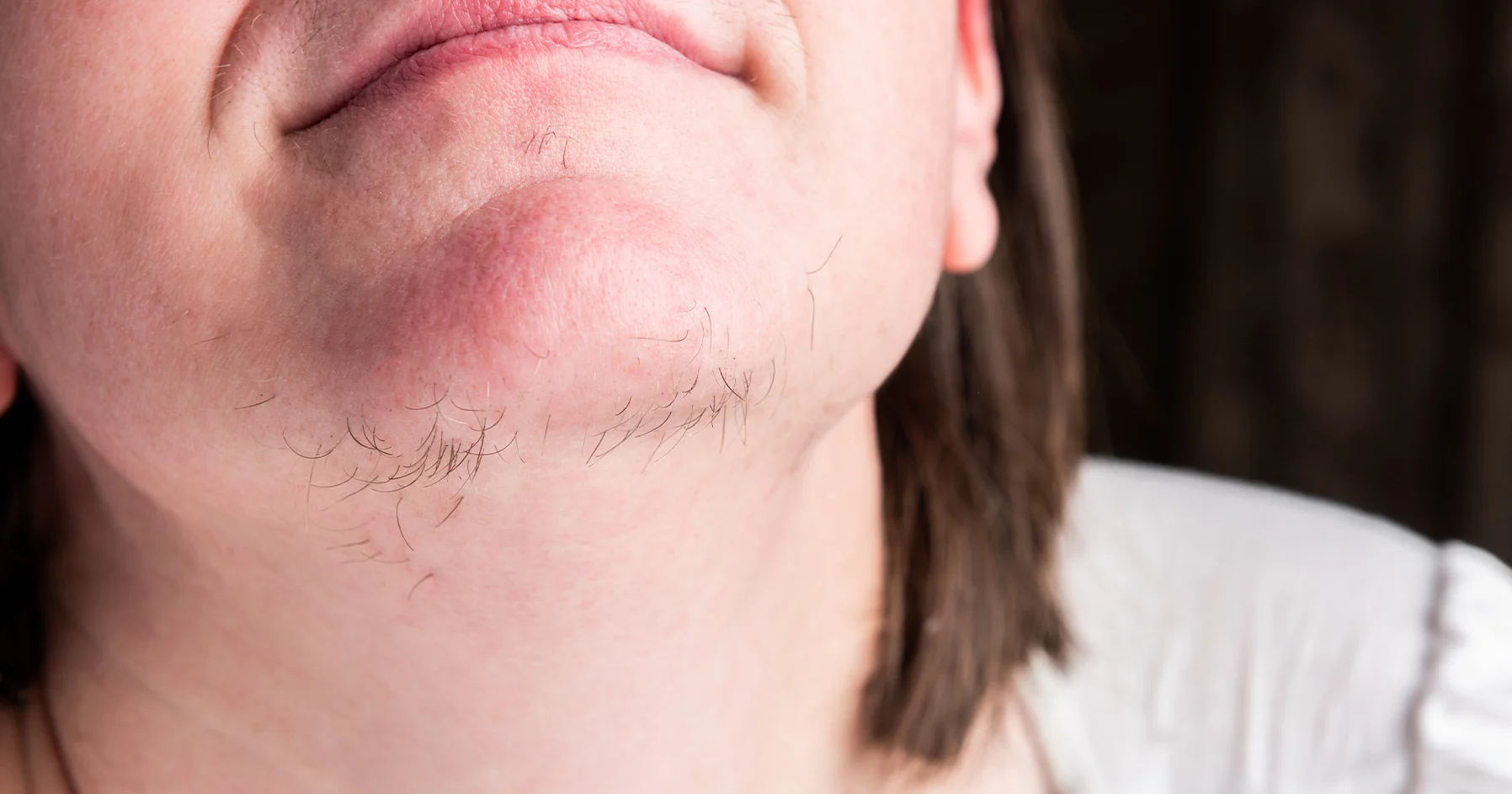
Weight gain, acne, hair thinning, or facial hair can affect confidence and self-worth, leading to social anxiety or isolation.
Fertility-Related Stress
Concerns about ovulation, conception, or pregnancy can create chronic emotional stress, even in women not actively trying to conceive.
Feeling “Out of Control”
Irregular cycles and unpredictable symptoms can make women feel disconnected from their bodies, increasing frustration and emotional distress.
Stress and PCOS: A Two-Way Relationship
Stress doesn’t just result from PCOS—it can also worsen it.
Chronic stress increases cortisol, which:
- Worsens insulin resistance
- Disrupts ovulation
- Aggravates hormonal imbalance
This creates a vicious cycle where PCOS symptoms increase stress, and stress worsens PCOS symptoms.
Nutrition for Mental Well-Being in PCOS
Food plays a key role in stabilising mood and supporting brain health.
Helpful Nutrition Habits
- Eat balanced meals with protein, fibre, and healthy fats
- Avoid long gaps between meals
- Include complex carbohydrates for steady energy
- Stay hydrated
Stable blood sugar helps reduce mood swings and anxiety.
Key Nutrients to Focus On
- Omega-3 fatty acids (support brain health)
- Magnesium (supports relaxation)
- B-vitamins (support energy and mood)
- Iron and vitamin D (deficiencies can worsen fatigue and low mood)
Lifestyle Habits That Support Mental Health
1. Gentle, Consistent Movement
Exercise improves mood by supporting insulin sensitivity and stress regulation.
Best options include:
- Walking
- Strength training
- Yoga or Pilates
Avoid over-exercising, which can increase stress hormones.
2. Prioritise Rest
Poor sleep worsens mood, cravings, and stress response. Aim for:
- Regular sleep timing
- Reduced screen time at night
- A calming bedtime routine
3. Nervous System Regulation
Simple practices such as:
- Deep breathing
- Meditation
- Journaling
- Spending time in nature
can significantly reduce stress over time.
Emotional Support and Self-Compassion
Living with PCOS can feel isolating. Emotional healing requires compassion, not self-criticism.
Helpful steps include:
- Talking openly with trusted people
- Seeking professional mental health support when needed
- Joining PCOS support communities
- Letting go of perfectionism
PCOS management is not about “fixing” the body—it’s about supporting it.
When to Seek Professional Help
Mental health support is important if:
- Anxiety or low mood interferes with daily life
- You feel emotionally overwhelmed or exhausted
- Sleep and appetite are consistently affected
- You feel hopeless or disconnected
Seeking help is a strength, not a failure
A Holistic Approach to PCOS Healing
True PCOS management includes:
- Hormonal balance
- Insulin regulation
- Emotional well-being
- Sustainable lifestyle changes
Ignoring mental health can slow physical healing. Addressing it can improve energy, consistency, and overall quality of life.
Final Thoughts
PCOS affects more than the ovaries—it affects the mind, emotions, and self-identity. Mental health challenges in PCOS are real, valid, and deeply connected to hormonal health. With the right nutrition, lifestyle support, stress management, and emotional care, women can experience meaningful improvement—not just physically, but emotionally too.
At SheThrivesOfficial, we believe hormone balance includes mental peace, emotional resilience, and self-trust—because healing is never only physical.
Latest Posts
- PCOS Weight Loss: Why It Feels So Hard and How to Fix It Naturally

- PCOS and Mental Health: The Emotional Side of Hormonal Imbalance
- Facial Hair in PCOS (Hirsutism): Causes, Myths & Natural Management
- Thyroid & Women’s Hormones: The Missing Link No One Talks About
- Birth Control & Hormones: What Happens After You Stop the Pill?


Leave a Reply