

Birth Control & Hormones: What Happens After You Stop the Pill?
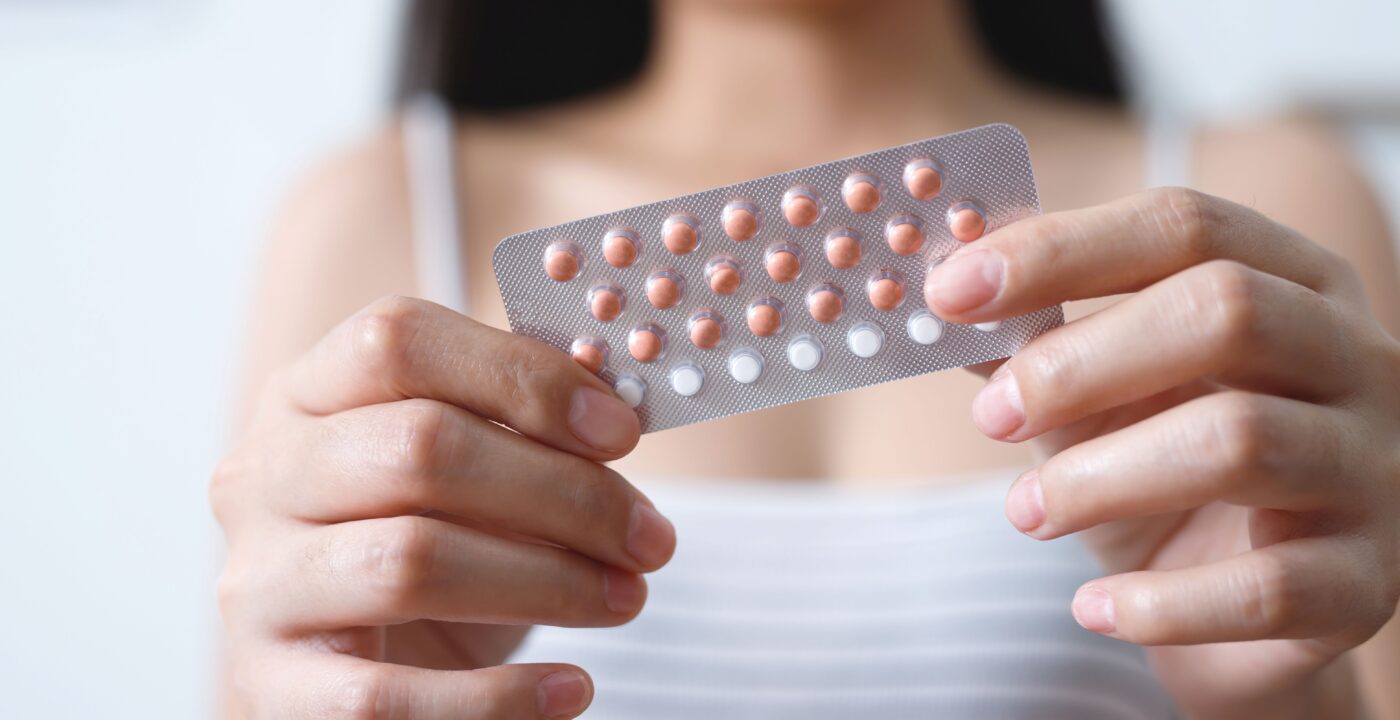
Birth control pills are commonly prescribed to women for preventing pregnancy, regulating periods, managing PCOS symptoms, acne, or hormonal imbalance. While the pill can offer temporary relief, many women experience unexpected changes once they stop taking it. Irregular periods, acne flare-ups, hair fall, mood swings, and weight gain are often brushed off as “normal,” but these are signs that your body is trying to rebalance its natural hormones.
In this blog, we’ll explore what actually happens to your hormones after stopping birth control, common symptoms women experience, how long recovery takes, and natural ways to support hormone balance
How Birth Control Pills Affect Your Hormones?
Birth control pills work by suppressing ovulation and altering your natural hormone production. They contain synthetic versions of estrogen and/or progesterone that override your body’s hormonal signals.
While on the pill:
- Ovulation is paused
- Natural progesterone production is reduced
- Estrogen levels remain artificially stable
- Your body relies on external hormones
This is why periods on the pill are not real menstrual cycles—they are withdrawal bleeds, not signs of hormonal health.
What Happens When You Stop Birth Control?
When you stop taking the pill, your body must restart its own hormone production. This transition phase can feel overwhelming because your hormones were suppressed for months or years.
Your body now has to:
- Resume ovulation
- Balance estrogen and progesterone naturally
- Regulate insulin and cortisol
- Detox excess synthetic hormones
This process takes time and varies from woman to woman
Common Symptoms After Stopping Birth Control
Many women experience what is often called post-pill hormonal imbalance. Common symptoms include:
1. Irregular or Missing Periods
Your cycle may take several months to regulate as ovulation resumes.
2. Acne Breakouts
Hormonal acne, especially around the jawline and chin, is very common after stopping the pill.
3. Hair Fall or Hair Thinning
Low progesterone and nutrient depletion can contribute to hair loss.
4. Weight Gain or Difficulty Losing Weight
Insulin sensitivity may be affected, especially in women with PCOS tendencies.
5. Mood Swings & Anxiety
Hormonal shifts can impact serotonin levels and emotional wellbeing.
How Long Does It Take for Hormones to Balance?
Hormonal recovery after birth control is not instant.
- 1–3 months: Initial adjustment phase
- 3–6 months: Periods may begin regulating
- 6–12 months: Full hormonal balance for many women
If periods do not return after 6 months, it’s important to seek professional guidance.
Post-Birth Control & PCOS: Is There a Connection?
For some women, birth control pills mask PCOS symptoms rather than treating the root cause. Once stopped, symptoms like irregular cycles, acne, weight gain, and hair fall may suddenly appear.
This does not mean the pill caused PCOS—but it may have hidden underlying hormonal imbalances that now need proper lifestyle and nutrition support.
Best Diet to Support Hormones After Birth Control
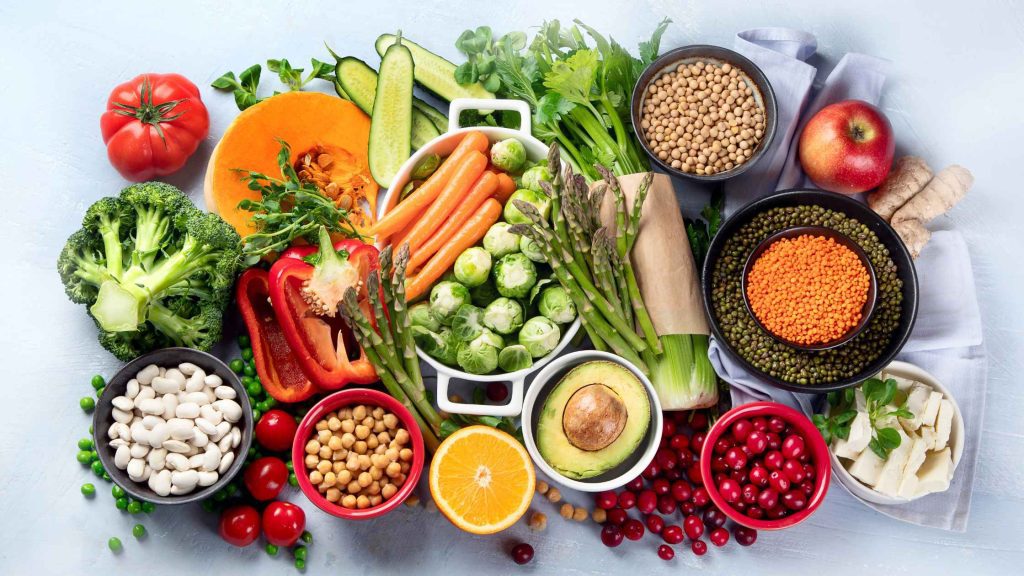
Nutrition plays a major role in post-pill recovery.
Focus on:
- Healthy fats: nuts, seeds, ghee, olive oil
- Protein: lentils, eggs, tofu, paneer
- Fiber-rich foods: vegetables, fruits, whole grains
- Cruciferous vegetables: broccoli, cauliflower, cabbage (support estrogen detox)
Avoid:
- Highly processed foods
- Excess sugar
- Refined carbs
- Excess caffeine on an empty stomach
Key Nutrients Often Depleted by Birth Control
Birth control pills can reduce levels of:
- Vitamin B6
- Vitamin B12
- Magnesium
- Zinc
- Folate
Including nutrient-dense foods or professional-guided supplementation can help restore balance.
Lifestyle Changes to Heal Hormones Naturally
Healing hormones is not just about food.
1. Manage Stress
Chronic stress raises cortisol, which disrupts ovulation and progesterone levels.
2. Prioritize Sleep
7–8 hours of quality sleep supports hormone repair.
3. Gentle Movement
Walking, yoga, and strength training are better than excessive HIIT during recovery.
4. Reduce Toxin Exposure
Avoid plastics, harsh skincare, and chemical-heavy products that disrupt hormones.
When Should You See a Professional?
Seek help if:
- Periods don’t return after 6 months
- Severe acne or hair fall continues
- You’re trying to conceive without success
- Symptoms worsen over time
A root-cause approach is always better than quick fixes.
FAQs
Is it normal to have acne after stopping birth control?
Yes. Hormonal acne is common as your body readjusts estrogen and progesterone levels.
Can birth control cause long-term hormonal damage?
For most women, hormones recover naturally. However, lifestyle, nutrition, and stress play a major role in recovery speed.
How can I regulate periods naturally after stopping the pill?
Balanced meals, stress management, proper sleep, and cycle-supportive habits help regulate periods over time.
Final Thoughts
Stopping birth control is a powerful step toward reconnecting with your body’s natural hormonal rhythm. While the transition may feel uncomfortable, these symptoms are your body’s way of asking for support—not suppression.
With the right nutrition, lifestyle changes, and patience, hormonal balance can be restored naturally. At SheThrivesOfficial, we believe in empowering women to heal from within, not just mask symptoms.
Latest Posts
- PCOS Weight Loss: Why It Feels So Hard and How to Fix It Naturally

- PCOS and Mental Health: The Emotional Side of Hormonal Imbalance
- Facial Hair in PCOS (Hirsutism): Causes, Myths & Natural Management
- Thyroid & Women’s Hormones: The Missing Link No One Talks About
- Birth Control & Hormones: What Happens After You Stop the Pill?
Leave a Reply